October 2, 2026
Choosing the right martial arts school for your children is not only about promoting physical activity but also about ensuring mental and emotional growth. With the diverse range of martial arts disciplines available, each offering unique benefits and learning experiences, parents need to make a well-informed decision. This article explores the essential factors that parents should consider while selecting a suitable martial arts school for their kids to ensure they receive a positive and enriching experience.
Understanding Different Martial Arts Disciplines
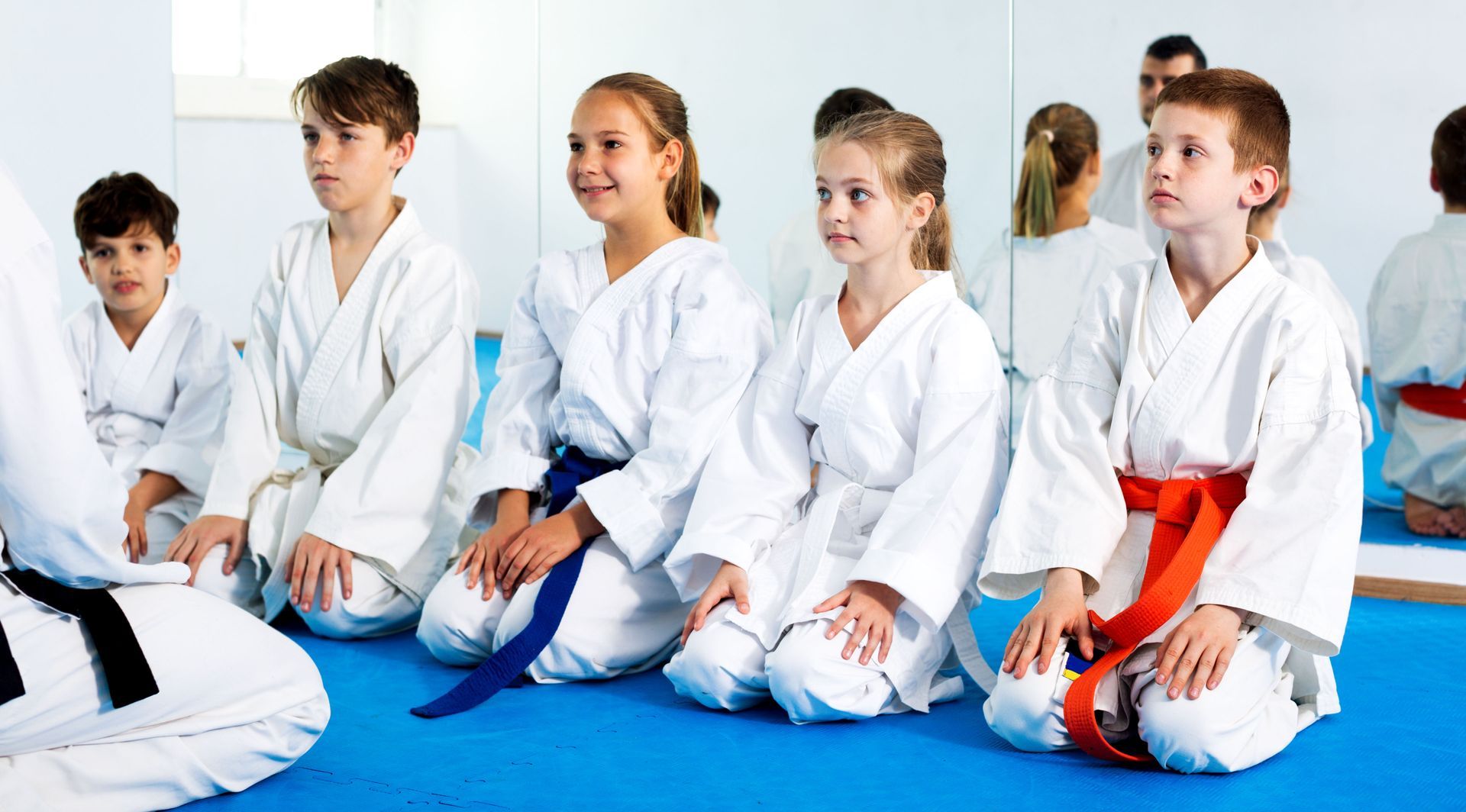
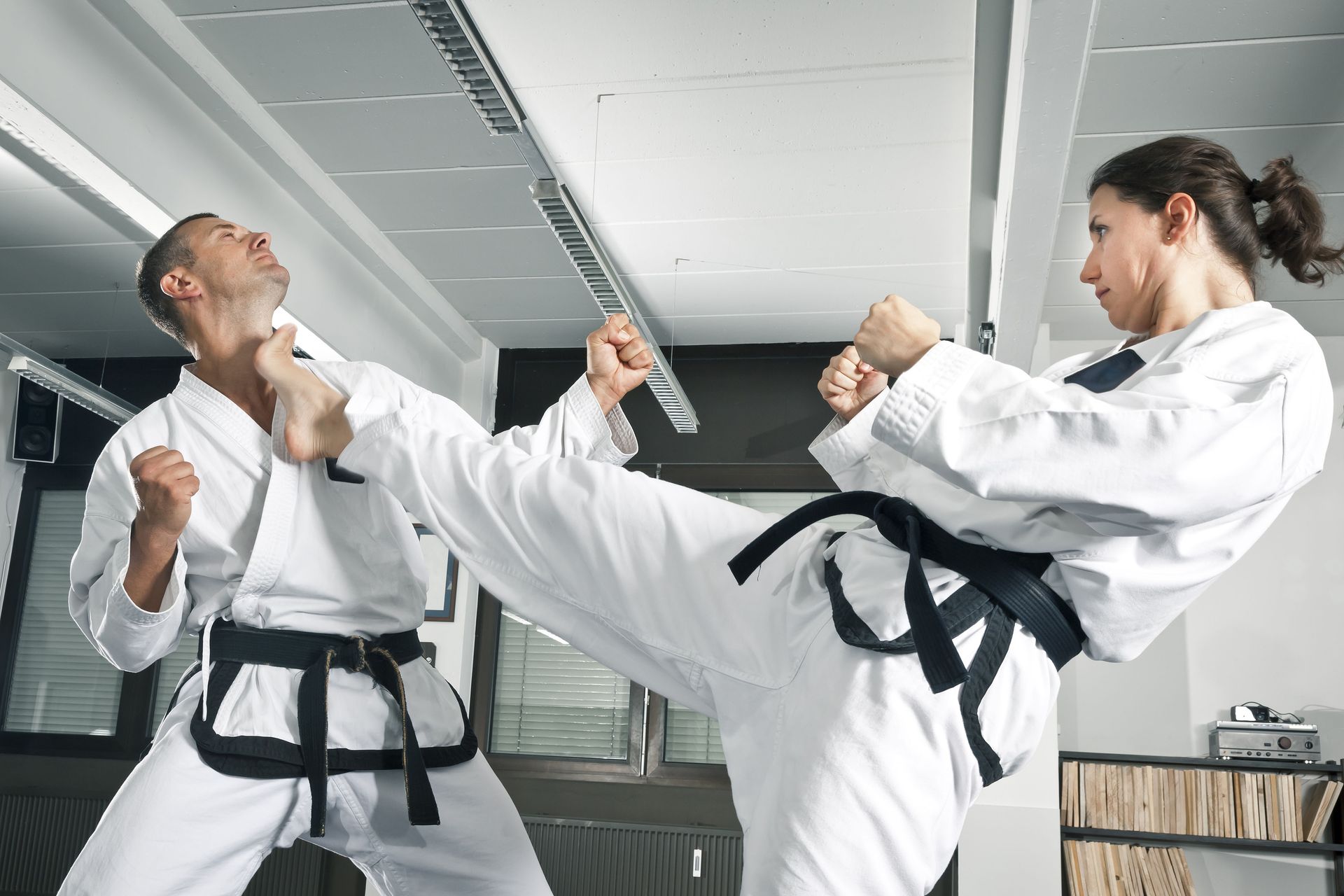
Traditional martial arts such as Karate and Taekwondo are rooted in rich history, emphasizing discipline, respect, and continuous self-improvement. These forms are structured with defined goals and belt progressions, making them ideal for children who thrive in structured environments. Students wear traditional uniforms and work through a clear ranking system, providing a tangible sense of personal achievement. Classes focus not just on physical techniques but also on character-building teachings that instill respect and perseverance. Such core values are crucial for young students, as they extend these principles into their daily school and home lives.
Mixed Martial Arts has seen a significant rise in popularity due to its dynamic blend of various global fighting techniques. It offers a comprehensive training approach, combining striking and grappling to benefit children through full-body physical conditioning. This multi-style training can be particularly engaging for kids as it promotes creativity and physical adaptability. While some parents may worry about the physical intensity, high-quality programs prioritize safety by implementing controlled sparring, strict supervision, and modern protective gear to minimize injury risks.
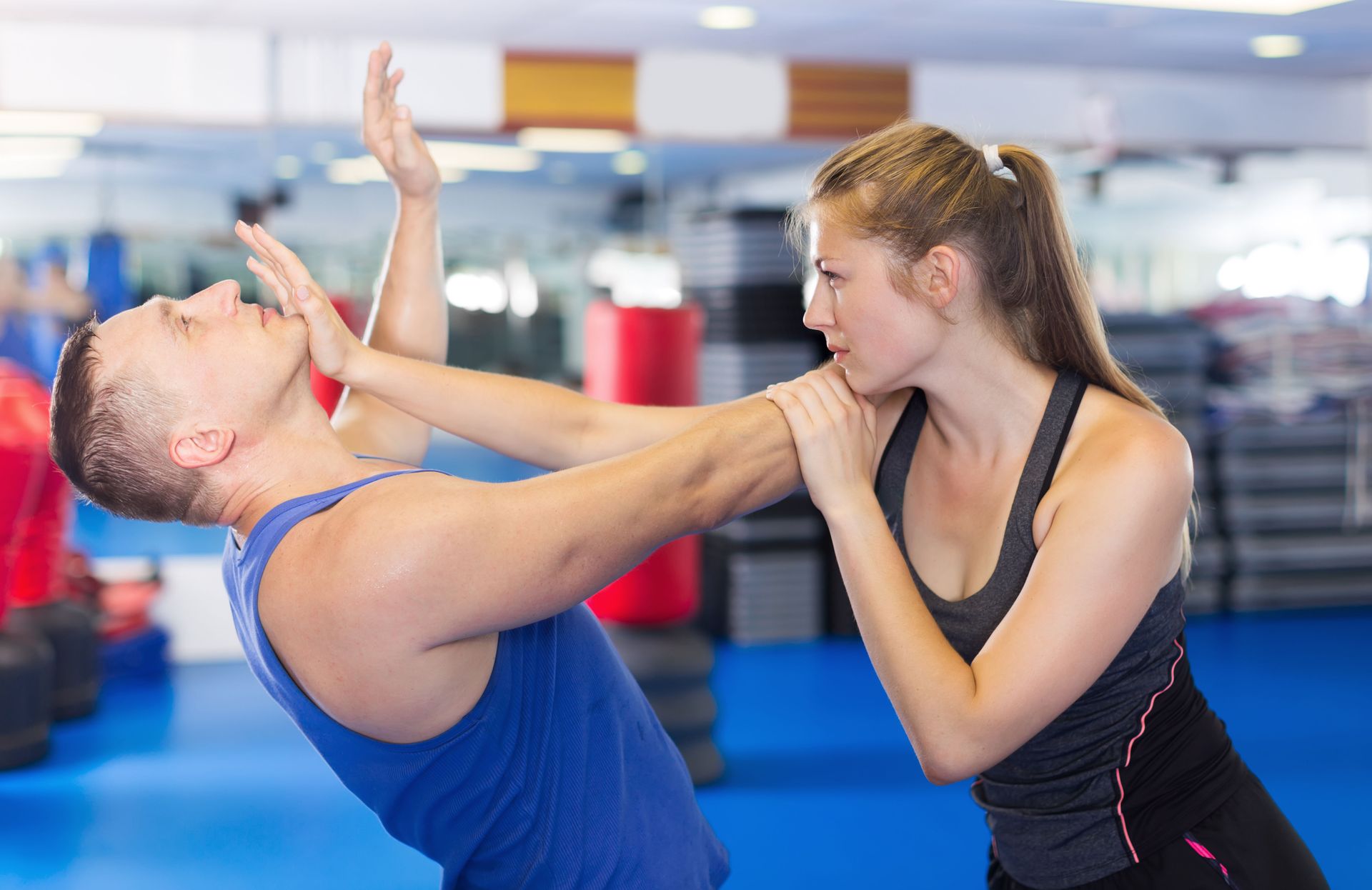
Arts focused on practical self-defense, such as Brazilian Jiu-Jitsu, are increasingly popular for their real-world application. Brazilian Jiu-Jitsu emphasizes leverage and technique over brute strength, making it accessible and effective for children of all physical sizes. This practice boosts personal confidence as children learn to handle physical conflict calmly while mastering body mechanics. Through ground defense and grappling, children develop strategic problem-solving skills that translate into academic and personal confidence. Additionally, the close camaraderie among training partners fosters deep friendships and a strong sense of community.
Internal martial arts focus on the cultivation of internal energy, bodily balance, and mental clarity. While these movement forms might seem slow-paced compared to striking arts, they offer significant benefits for emotional regulation, physical poise, and mental focus. These practices incorporate deep breathing exercises and mindfulness, promoting stress relief and enhancing concentration in young practitioners. Engaging in controlled movement helps children navigate daily stress and anxiety, equipping them with lifelong emotional coping mechanisms.
Different facilities may focus heavily on competition, while others prioritize martial practice as a personal, non-competitive journey. Sport-focused institutions provide ample opportunities for participation in local, regional, or national tournaments, promoting goal-setting, sportsmanship, and resilience under pressure. Conversely, non-competitive programs emphasize individual character development and personal growth, allowing children to progress at their own comfortable pace. Finding the ideal martial arts school depends on your child's unique personality, as some thrive under competitive sports dynamics while others prefer a self-paced journey.
Instructor Qualifications and Teaching Style
When evaluating any training facility, the qualifications and professional experience of the instructional staff are paramount. Instructors with recognized black belt accreditations demonstrate a verified mastery of their specific discipline. Experienced teachers offer more than technical knowledge; they have refined their pedagogy to accommodate diverse learning styles and developmental stages. According to My Studio, the global martial arts industry is projected to reach $170 billion by 2028. This rapid expansion underscores the importance of finding qualified professionals who prioritize authentic education and student safety.
The teaching methodology employed within a youth program significantly shapes a child's developmental journey. Programs that balance firm discipline with positive encouragement foster an empowering atmosphere where children feel motivated to overcome physical challenges. A supportive learning environment encourages students to view mistakes as valuable lessons, building true emotional resilience. Parents should observe a live class to evaluate the energy and rapport between instructors and students, ensuring that positive reinforcement is central to the curriculum.
The student-to-instructor ratio directly impacts safety oversight and individual skill development. Smaller class sizes allow head instructors and assistant coaches to tailor their feedback to meet unique learning needs, accelerating technical progress. Safety is also managed far more effectively when class sizes remain manageable, preventing unnecessary accidents during active drills. Parents should prioritize facilities that enforce strict student caps per session to guarantee a higher quality of personalized instruction.
Effective communication between coaches and parents is critical to supporting a child's long-term development. Parents should receive regular updates regarding belt progression, behavioral milestones, and technical areas needing home practice. Transparent facilities welcome parental observation and maintain clear channels for constructive feedback. Evaluating how instructors handle student frustration or special accommodations provides deep insight into their commitment. Finding a supportive martial arts school ensures that parents and coaches work together seamlessly to foster the child's physical and mental growth.
Ensuring that prospective academies conduct comprehensive background checks on all staff members is essential for child safety. Background screening creates a secure environment where parents feel completely confident leaving their children under expert supervision. Furthermore, clear safety protocols covering injury response, mat hygiene, and emergency procedures demonstrate professional management. Parents should review these policies directly with facility management to ensure they align with their family's safety standards.
Facilities, Equipment, and Curriculum Structure
Maintaining a clean, well-sanitized facility is vital for student health and hygiene. High standards of cleanliness reflect a facility's overall professionalism and care for its members. Clean training mats, sanitized gear, and organized reception areas create an inviting learning space that minimizes health risks. Parents should conduct an on-site inspection to evaluate mat sanitation protocols, locker room cleanliness, and overall facility maintenance before signing any enrollment agreements.
The quality and condition of training equipment are critical indicators of a professional academy. High-grade striking pads, heavy bags, and protective gear enhance training efficacy while absorbing impact forces safely. Facilities that invest in modern, high-density matting and routinely inspect their training equipment demonstrate a clear commitment to student welfare. Ensuring access to well-maintained gear allows young athletes to practice high-impact techniques with complete safety and confidence.
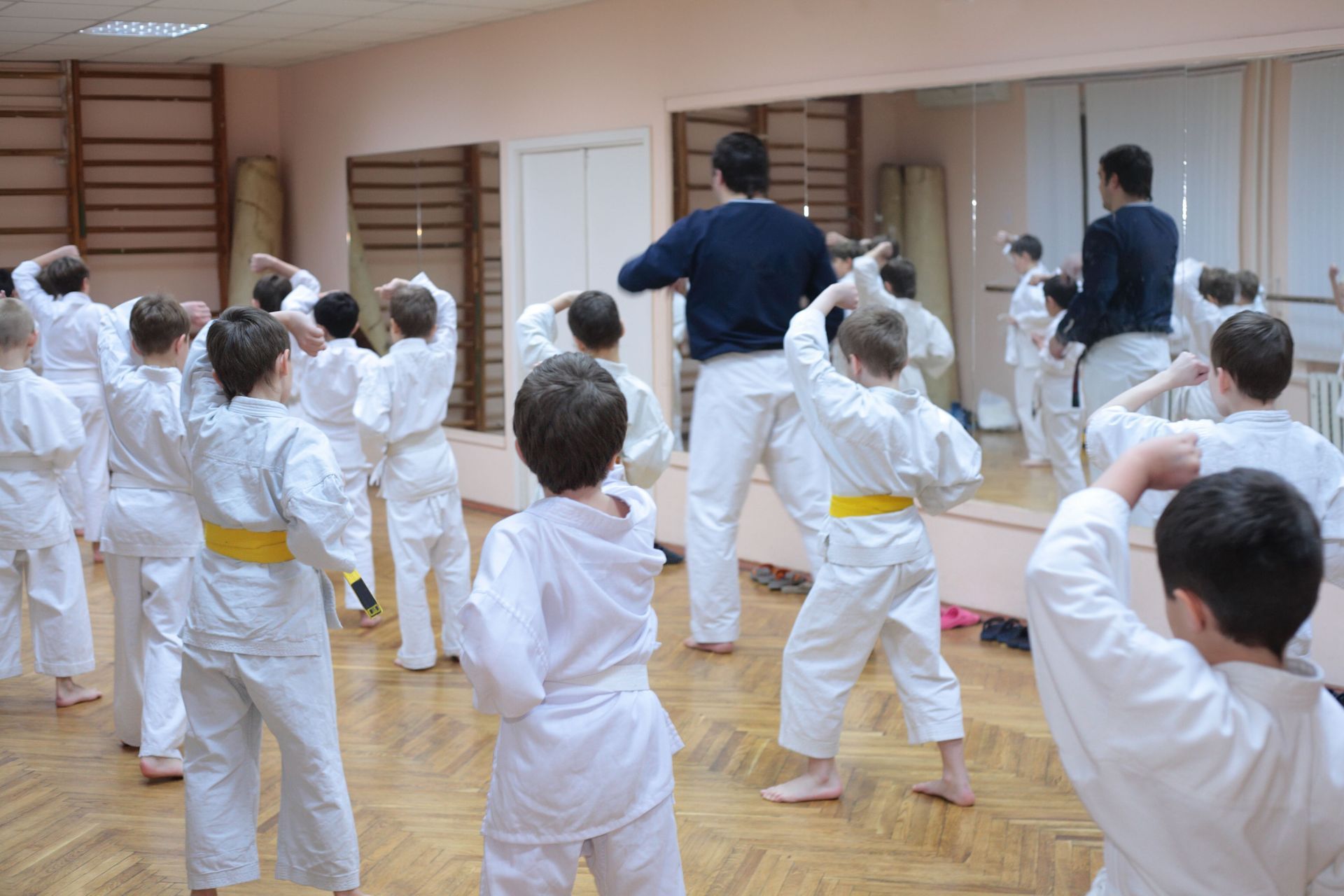
Class structures specifically designed for narrow age brackets significantly enhance learning outcomes. Children benefit immensely from age-appropriate instruction tailored to their cognitive and physical development stages. Prospective academies should offer distinct tracks for toddlers, young children, and teens, rather than combining all ages into a single session. Dedicated age groups ensure that techniques, class pacing, and discipline strategies remain engaging and effective for every participant.
Understanding the belt ranking system provides clear insight into how a facility measures and celebrates student progress. Most traditional programs utilize colored belts and stripe promotions to offer visible milestones of achievement. A transparent testing structure teaches children the direct relationship between dedicated practice and goal attainment. Parents should ask about testing fees, promotion frequency, and advancement criteria to ensure the progression model remains fair, motivating, and earned through merit.
A comprehensive youth curriculum integrates essential character education alongside physical self-defense techniques. Quality programs weave weekly life skills lessons—such as respect, focus, self-control, and bully prevention—directly into mat time. Instructors should actively model these character traits and encourage students to apply them at home and in school. Choosing an elite martial arts school ensures your child develops strong moral character alongside physical athleticism.
Selecting the ideal training environment requires evaluating technical instruction, safety protocols, facility standards, and cultural values. Investing time in researching local academies ensures your child gains confidence, physical fitness, and vital life skills in a safe environment. To provide your child with exceptional instruction, positive character development, and a supportive community, trust the experienced team at National Karate of Rochester to guide their journey.