August 6, 2026
Karate is a powerful martial art that has gained global recognition. It encompasses a rich history, diverse techniques, and numerous benefits that make it an exceptional choice compared to other martial arts. Let's explore the reasons why you might consider choosing local Karate schools for your martial art training.
1. Historical Depth and Cultural Richness
Origins and Evolution
Karate's origins date back to the late 19th century in Okinawa, Japan, according to Gitnux. It started as a blend of indigenous fighting techniques and Chinese martial arts, evolving over time into the structured form we recognize today. The early masters of Karate sought to cultivate both a philosophical framework and effective combat techniques. This development period contributed to its unique historical depth, setting it apart from many other martial arts. Understanding its origins provides practitioners with a sense of connection to tradition and history.
The evolution of Karate continued as it spread from Okinawa to mainland Japan in the early 20th century. This transition brought about a formalization of styles and techniques under various schools. Each school emphasized different aspects of Karate, such as striking or grappling, enriching the martial art's diversity. This transition also marked the beginning of Karate's global journey. In this process, traditional practices were preserved, ensuring that Karate's essence remained intact even as it adapted to new cultural contexts.
Traditional Practices
Karate's traditional practices have been preserved through rigorous training techniques and respect for the history of the art. Unlike other martial arts, Karate schools actively maintain traditional forms called "kata." Kata not only serve as training tools that instill techniques but also embody the cultural and historical philosophies of Karate. Practitioners perform these pre-arranged forms with precision and discipline, perfecting the intricate movements over time. This focus on tradition fosters a deep respect for the art and a dedication to mastering its intricacies.
Philosophical Underpinnings
Philosophical underpinnings are an integral part of Karate, deeply influencing practitioners' approach to training and to life. At its core, Karate instills a mindset of perseverance and humility. Students are taught to balance physical capabilities with mental fortitude, emphasizing the journey of personal growth over competition. This philosophy fosters a learning environment where mutual respect and continuous self-improvement are key. Such values transcend the dojo, influencing practitioners in their everyday interactions and decisions.
Global Influence
As Karate expanded from Okinawa to the rest of the world, it became a source of cultural exchange and learning. Internationally, Karate clubs sprang up, creating communities that transcended cultural and linguistic barriers. Through tournaments and seminars, Karate practitioners shared techniques, philosophies, and cultural elements with martial artists from different backgrounds. This cross-cultural exchange enriched Karate by integrating diverse approaches and modern training methodologies. Global influence also contributed to Karate's recognition as an Olympic sport, increasing its visibility and appeal worldwide.
2. Diverse Techniques and Styles
Striking Techniques
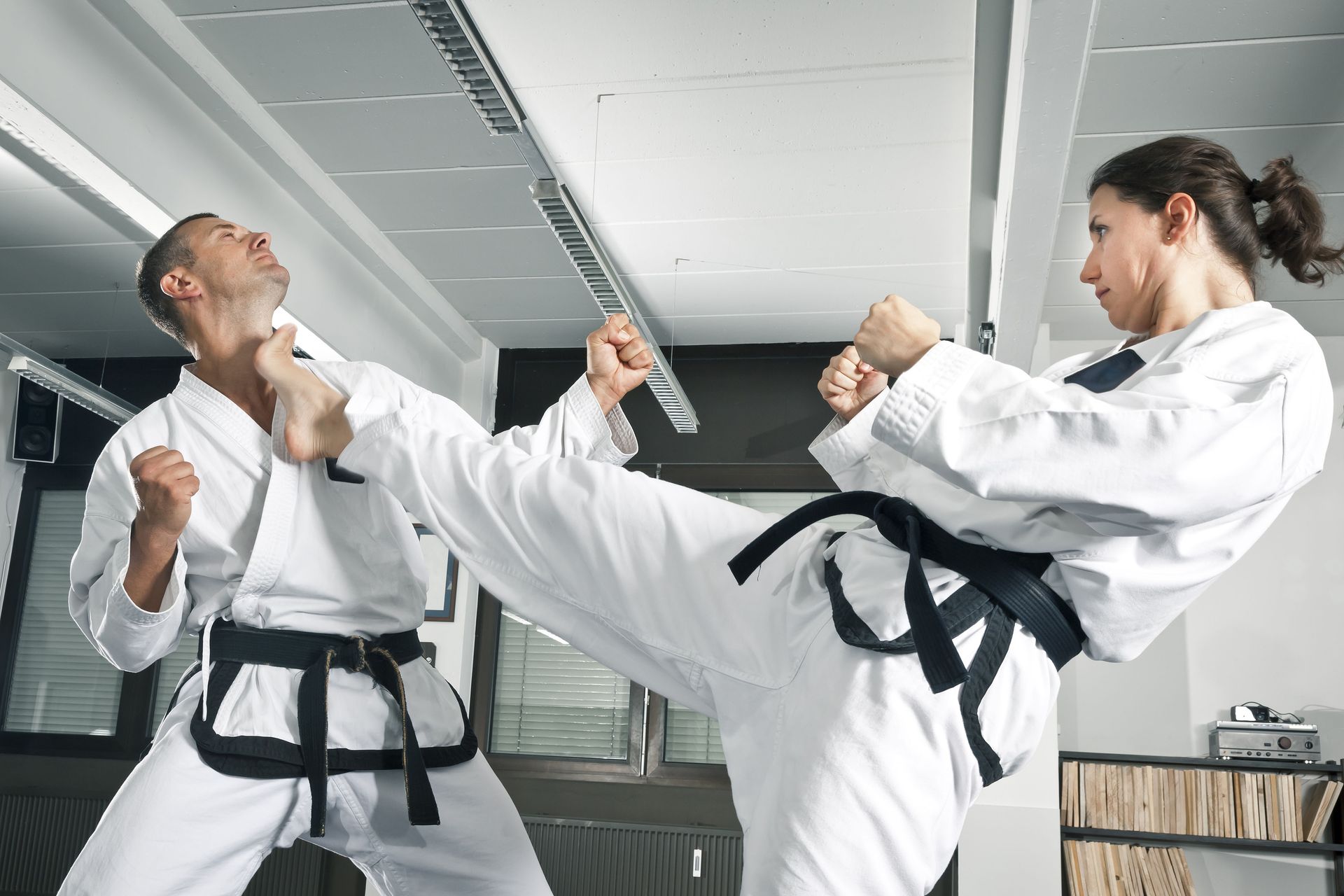
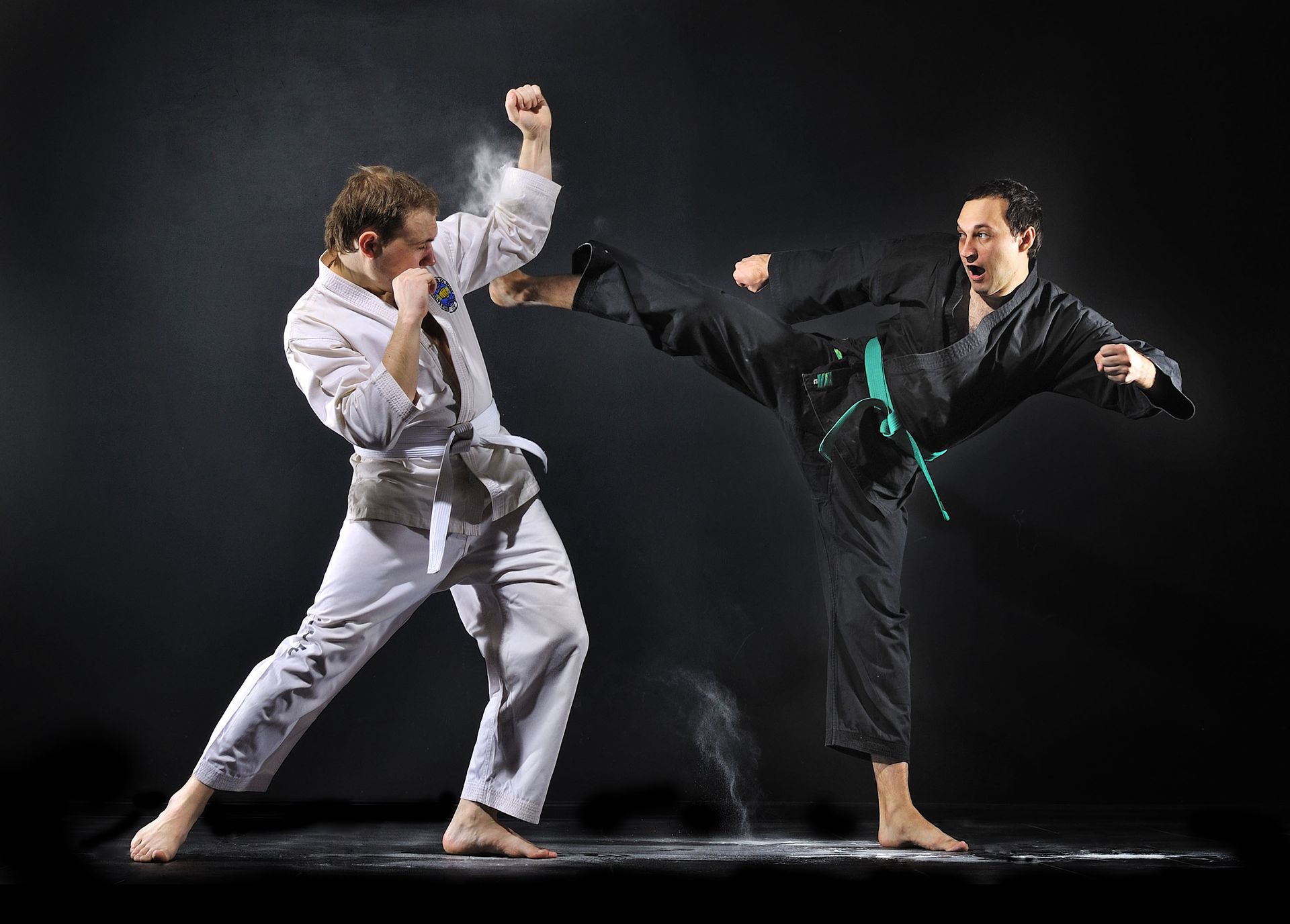
Striking techniques in Karate are fundamental to its practice, emphasizing powerful and precise movements. Known for its emphasis on punches, kicks, and open-handed techniques, Karate teaches practitioners how to deliver effective strikes for both offensive and defensive purposes. These techniques are grounded in biomechanics, ensuring movements are efficient and reduce the risk of self-injury. Practitioners perform drills and kata to hone these skills, ingraining proper form and muscle memory. The diverse array of striking options available provides students of local Karate schools with comprehensive tools for self-defense and competition.
Defensive Maneuvers
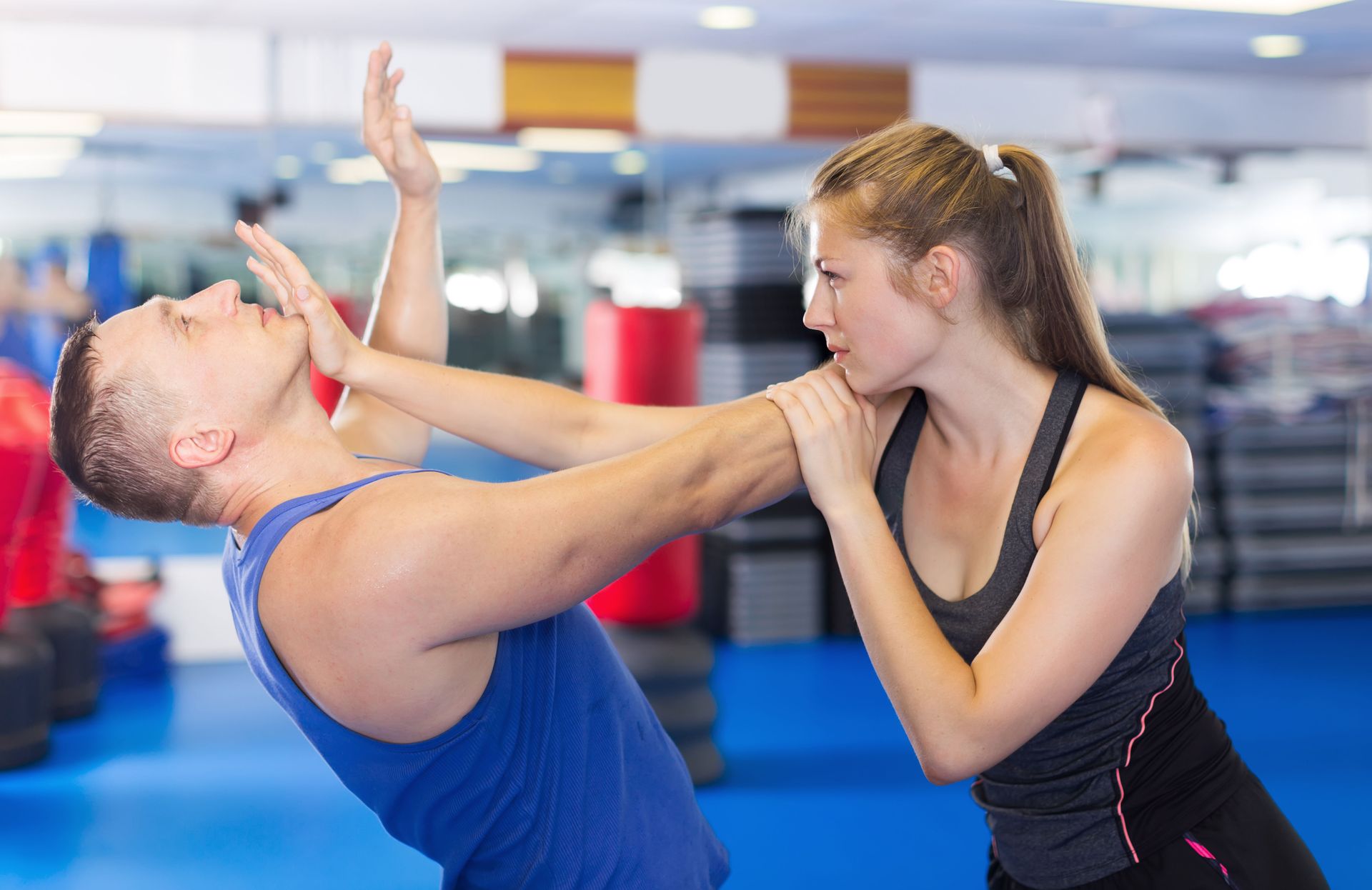
In addition to offensive techniques, Karate places a strong emphasis on defensive maneuvers. Techniques such as blocking, parrying, and evasive movements allow practitioners to protect themselves from incoming attacks. Blocks in Karate are designed not only to deflect an opponent's strike but also to create opportunities for counterattacks. This proactive defensive approach minimizes the impact of an attack while positioning the practitioner advantageously. The comprehensive range of defensive techniques makes Karate a well-rounded martial art suitable for real-world self-defense situations.
Varied Styles and Schools
Karate's appeal is amplified by its varied styles and schools, each offering a distinct approach to training and technique. Among the most prevalent styles are Shotokan, Goju-Ryu, Shito-Ryu, and Wado-Ryu, each with its unique characteristics and emphasis. These styles provide different philosophies and applications, allowing practitioners to find a style that best suits their personal goals. For example, Shotokan focuses on powerful linear movements, while Goju-Ryu emphasizes circular movements and breathing techniques. The diversity of styles within Karate enriches practitioners' experiences and ensures a suitable path for everyone.
Adaptability for All Skill Levels
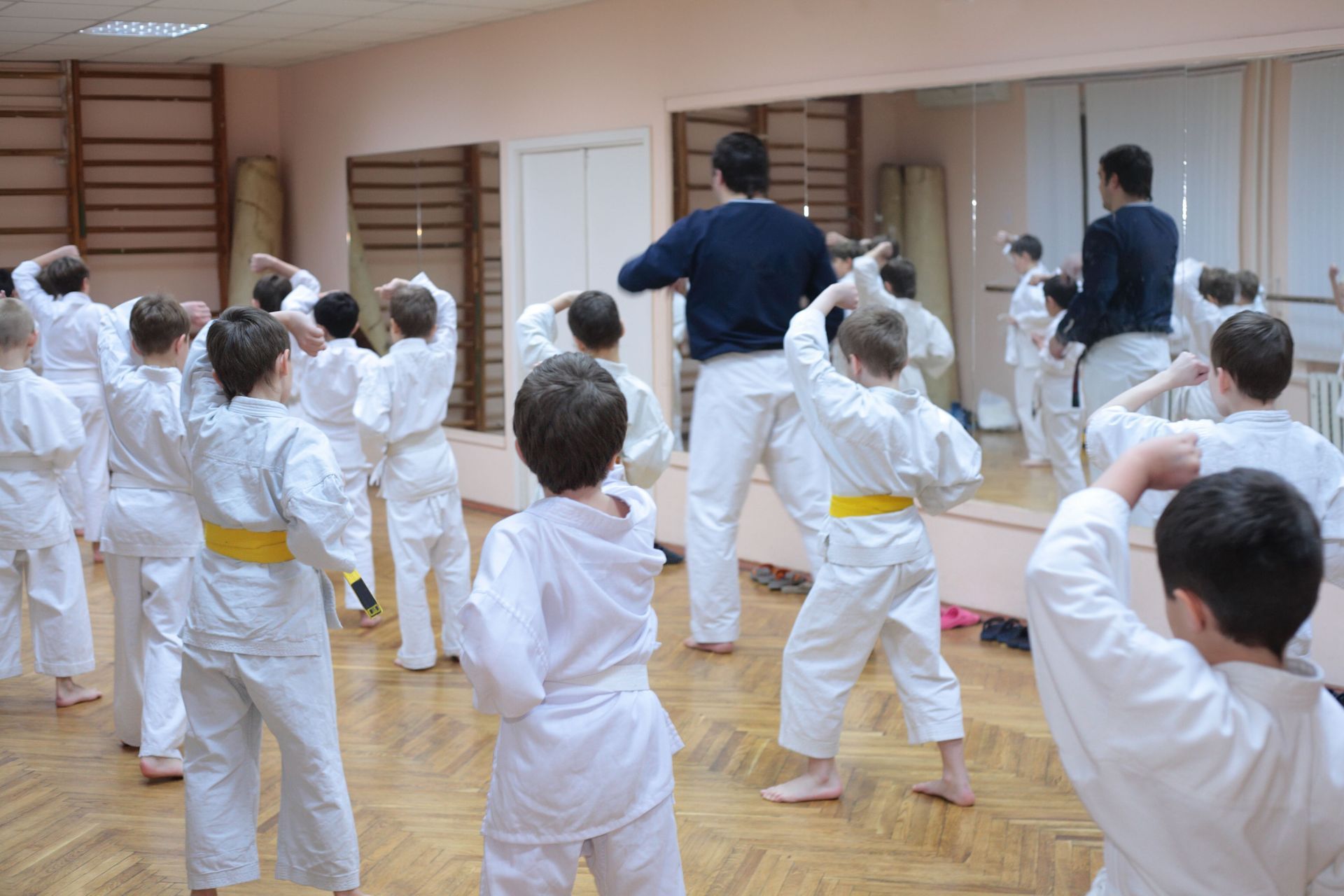
Karate is renowned for its adaptability, catering to practitioners of all skill levels, ages, and physical abilities. Beginners at local Karate schools are introduced to basic techniques that lay the foundation for more advanced skills. Classes are structured to ensure new students receive systematic and comprehensive training, gradually increasing in complexity as they progress. Experienced practitioners find fulfillment in refining their techniques and exploring advanced principles, ensuring continuous growth. This inclusive approach makes Karate accessible to anyone interested in martial arts, regardless of their starting point.
Integration of Mental and Physical Training
Karate integrates mental and physical training, emphasizing the development of both body and mind. Training is not only about learning techniques but also about cultivating mental resilience, discipline, and focus. Practitioners are encouraged to develop a strong mind-body connection, which enhances performance and supports holistic wellbeing. This integration of mental and physical training aligns with Karate's philosophy and adds depth to practice. It distinguishes Karate from many other martial arts that may prioritize physical prowess over mental acuity.
3. Benefits for Physical Health
Enhanced Fitness Levels
Karate training significantly enhances fitness levels by promoting cardiovascular health, muscle strength, and endurance. Regular practice involves repetitive movement of large muscle groups, leading to improved aerobic capacity and efficient energy use. Striking, blocking, and kata routines elevate heart rates and boost metabolism, contributing to better overall fitness. With consistent training, practitioners often notice increased stamina and energy levels in their daily activities. This comprehensive workout not only supports physical health but also aids in weight management and improved body composition.
The dynamic nature of Karate also encourages muscle development, particularly in the legs, core, and upper body. Strikes and kicks enhance muscular endurance and strength, while stances and kata practice focus on developing lower body muscles. The variety of movements in Karate ensures balanced muscle development and prevents overuse injuries. Regular practice promotes functional strength, enhancing practitioners' ability to perform daily tasks with ease. This balanced approach to fitness makes Karate a sustainable and effective workout for long-term health.
Improved Flexibility
Karate significantly improves flexibility, an essential aspect of physical fitness that aids in performance and injury prevention. Through regular practice, practitioners learn to execute a wide range of motions, developing joint range of motion and muscle elasticity. Kicking techniques and deep stances specifically target flexibility in the hips, legs, and back. Consistent stretching and mobility exercises are integrated into classes to ensure safe execution of techniques and to enhance post-exercise recovery. Improved flexibility supports efficient movement and reduces the risk of strains and sprains.
A focus on flexibility at local Karate schools also contributes to improved posture and alignment, reducing the stress on joints during training and everyday activities. This aspect of Karate training helps practitioners maintain balance and coordination, both essential for executing techniques and preventing falls. Enhanced flexibility prolongs the ability of seasoned practitioners to engage in the practice without significant limitations due to age. By prioritizing flexibility, Karate fosters long-term health and functional movement throughout an individual's life. This focus on flexibility is a key aspect of why Karate is popular among people of all ages.
Karate stands out not merely as a system of physical self-defense, but as a holistic lifelong discipline that bridges rich cultural heritage with practical modern wellness. By combining time-tested traditions and diverse technical styles with comprehensive physical and mental conditioning, it offers an accessible path to personal growth for individuals of any age or fitness level. Whether your goal is to build physical resilience, cultivate mental fortitude, or connect with a globally respected tradition, joining local Karate schools like National Karate of Rochester provides a well-rounded foundation that extends far beyond the walls of the dojo. Reach out to us today to get started!