A martial arts school is more than a place to learn self-defense; it serves as a hub for community growth and personal development. Local programs foster discipline, respect, and physical fitness while offering a safe, structured environment for children and teens. Recognizing how martial arts positively impact a community highlights benefits that extend well beyond physical training. Families and residents often experience these advantages through stronger education, improved health, and greater community involvement.
1. Encouraging Physical Health
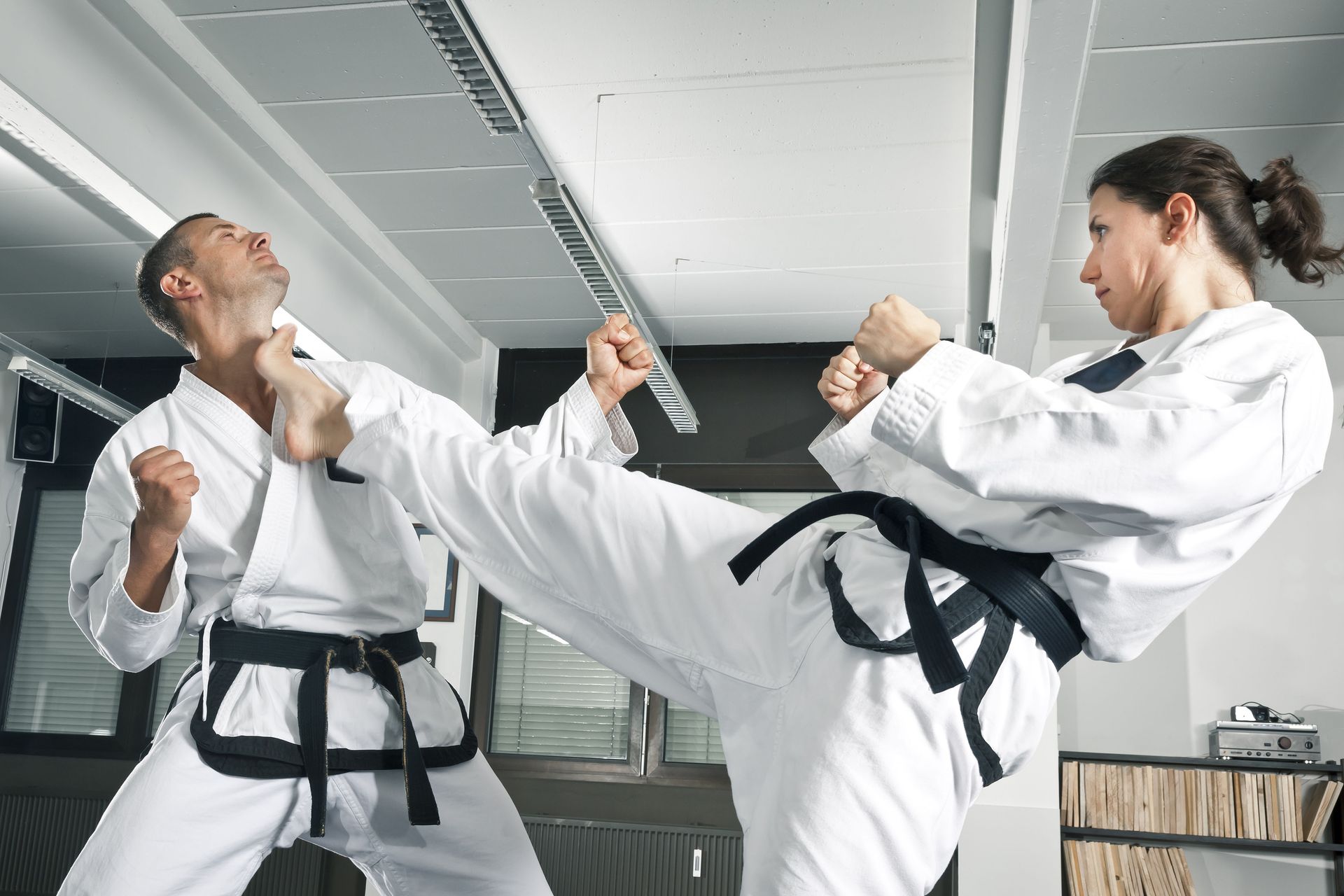
Regular participation in martial arts helps students stay active and healthy. According to Bookee, 77% of teens say that their participation in martial arts helps to keep them healthy. Exercises in martial arts improve strength, flexibility, and cardiovascular endurance. Healthy participants often carry these habits into other areas of life, promoting a more active community overall.
2. Building Discipline and Respect
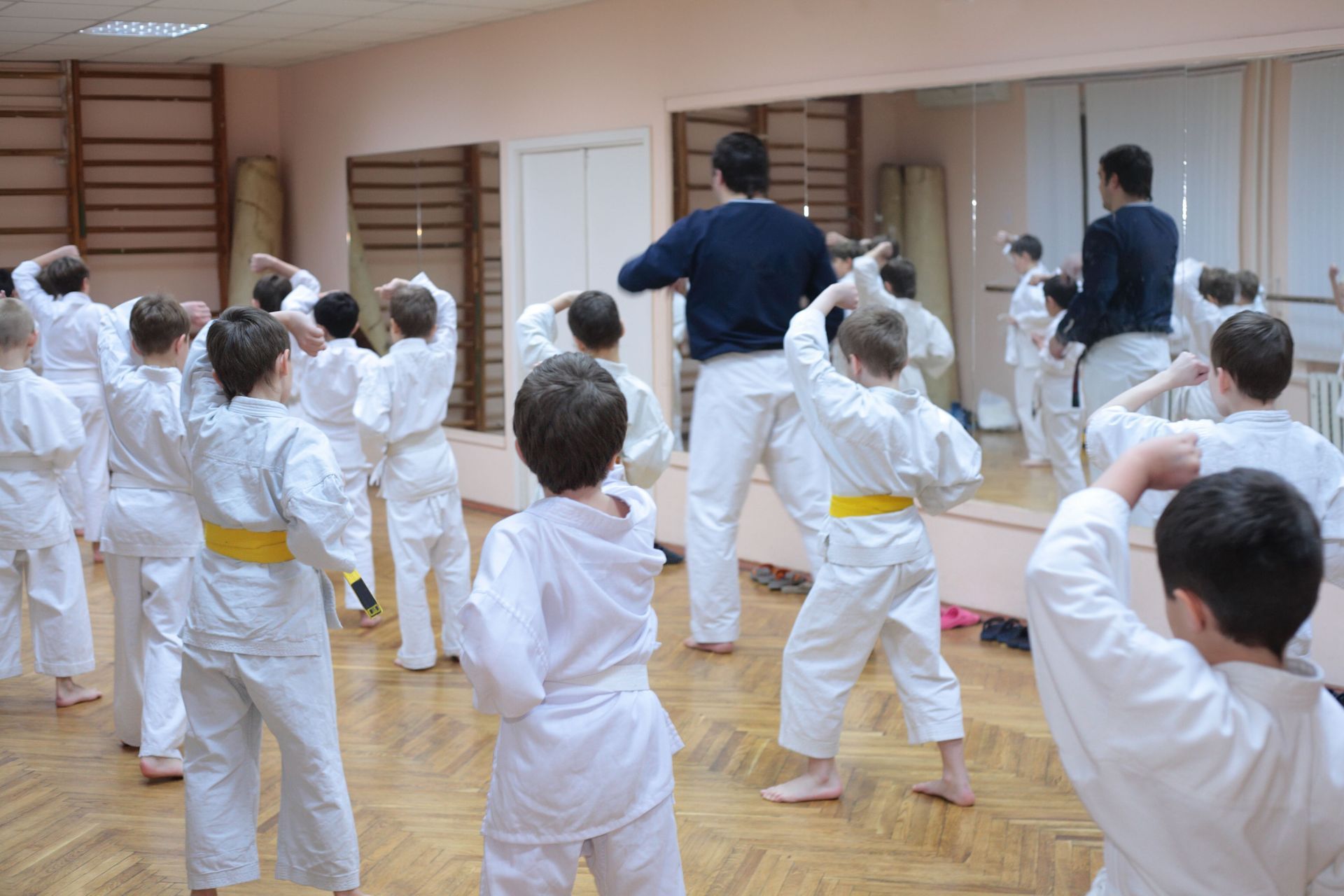
Martial arts teaches students the importance of self-discipline and respect for others. Structured classes encourage following instructions, setting goals, and practicing patience. These values extend beyond the dojo into homes, schools, and social settings. Students often become role models, influencing their peers positively.
3. Strengthening Community Connections
Martial arts schools often host events, competitions, and workshops that bring families together. A martial arts program can create a sense of belonging and shared purpose among participants. Community involvement encourages cooperation and teamwork both inside and outside the dojo. These connections help residents feel more engaged and supported.
4. Keeping Children and Teens Engaged in Positive Routines
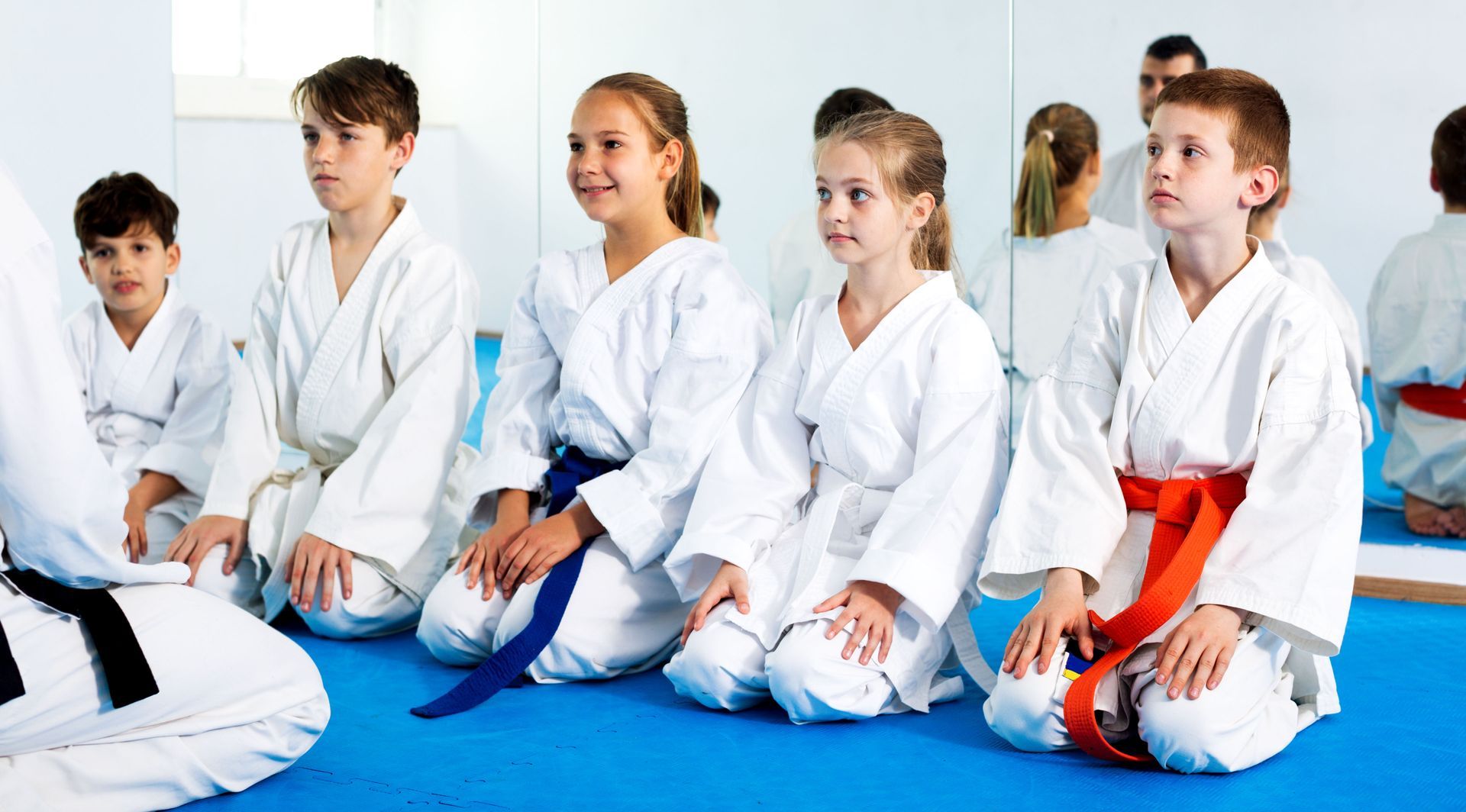
Structured martial arts programs provide safe, supervised activities for young people. Teens and children benefit from guidance and constructive routines that reduce idle time. By keeping youth engaged, martial arts helps prevent negative behaviors and foster personal growth. Students gain confidence, focus, and social skills that benefit the community as a whole.
5. Supporting Mental and Emotional Health
Martial arts practice develops mindfulness, stress management, and emotional resilience. Students learn to handle challenges calmly and positively, skills that translate into daily life. Mental and emotional well-being contributes to a healthier, more connected community. Families often notice improved behavior, confidence, and cooperation in children involved in classes.
6. Creating Lifelong Values
Participating in martial arts instills lifelong principles such as perseverance, respect, and responsibility. Martial arts help cultivate these traits consistently through structured practice and guidance. These values shape students into adults who contribute positively to society. Alumni often become mentors or volunteer leaders, extending the school’s influence throughout the community.
Martial arts schools offer more than physical training—they build healthier, more connected, and disciplined communities. Programs that focus on fitness, personal growth, and social engagement create benefits that ripple beyond the dojo. National Karate of Rochester provides expert instruction, community events, and youth programs designed to strengthen both individual students and the neighborhoods they live in. For more information, contact us today!